Disability Insurance and Financial Planning: Protecting Your Income and Your Family’s Future
Most people do not like to think about the possibility of being unable to work because of a serious illness or injury. Yet for many Americans, this is a very real risk. According to the Social Security Administration, more than one in four 20-year-olds will become disabled and qualify for Social Security disability benefits before reaching age 67.1 Disabilities can range from cognitive impairments and mobility limitations to hearing or vision challenges.
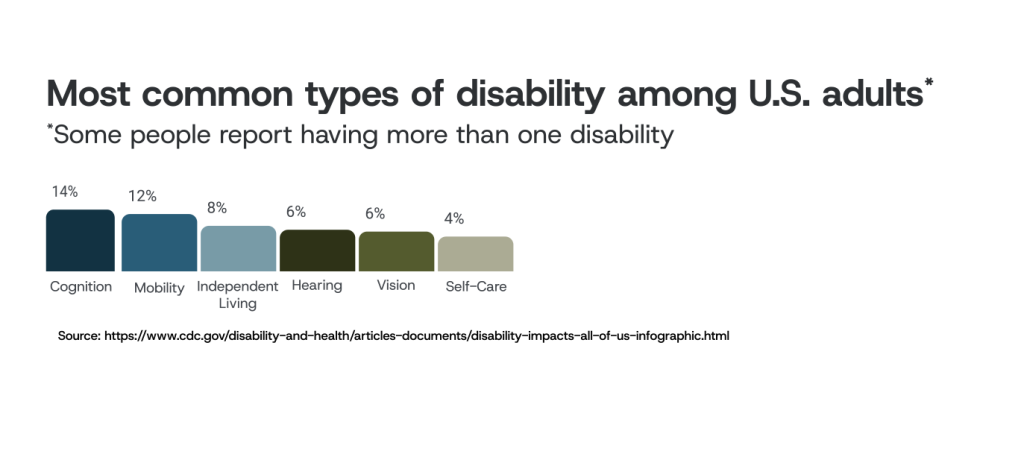
When most people think about disability planning, they focus on replacing lost income. While income protection is important, the financial impact of a disability often extends much further. A prolonged interruption in earnings can affect retirement savings, investment goals, education funding, business ownership interests, and the financial security of loved ones who depend on that income.
Disability insurance can play an important role in helping individuals and families protect their financial future when unexpected health challenges arise. Coverage may be available through an employer-sponsored plan, an individually purchased policy, or certain government programs.
In this article, we explore what disability insurance is, why it matters, and how it can help support both short-term financial stability and long-term financial planning objectives.
What Is Disability Insurance?
Disability insurance is a type of coverage designed to replace a portion of your income if you become unable to work because of an illness, injury, or qualifying medical condition. Depending on the policy, coverage may also apply to certain pregnancy-related complications or recovery periods. Disability insurance can help individuals continue paying for everyday expenses, such as housing, healthcare, and other financial obligations, while they are unable to earn an income.
There are two primary types of private disability insurance: short-term disability insurance (STD) and long-term disability insurance (LTD), each designed to address different income-protection needs. Coverage may be offered through an employer-sponsored group plan or purchased individually through a private insurer.
It is important to note that disability insurance generally covers non-work-related illnesses and injuries. Work-related injuries are typically covered through workers’ compensation insurance.
Disability Insurance as a Wealth Preservation Tool
Disability insurance is often viewed as a way to replace income during a period of illness or injury. However, it can also serve as an important wealth preservation tool.
Without adequate disability coverage, individuals may need to rely on emergency savings, investment accounts, retirement assets, or other resources to meet ongoing expenses. Over time, drawing down these assets can affect long-term financial goals and reduce the resources available for future priorities.
For many families, earned income helps fund retirement contributions, education savings plans, charitable giving objectives, business investments, and wealth transfer strategies. Disability insurance can help protect progress toward these goals by providing a source of income when earning capacity is temporarily or permanently interrupted.
Short-Term Disability Insurance vs Long-Term Disability Insurance
Short-term and long-term disability insurance serve different purposes depending on the severity and duration of the condition preventing someone from working.
Short-Term Disability Insurance
Short-term disability insurance provides temporary income replacement if an employee is unable to work because of a covered illness, injury, or medical condition. These policies are intended to help bridge short-term interruptions in income while an individual recovers.
Most short-term disability policies replace approximately 40% to 70% of a person’s pre-disability earnings, though benefit amounts vary by plan. Benefits commonly last between 13 and 26 weeks, although some policies may extend coverage for up to one year.2
To qualify for benefits, an employee must provide medical documentation showing they are unable to perform the duties of their occupation. Documentation is typically provided by a licensed healthcare provider.
Short-term disability policies also include an elimination period, (sometimes called a waiting period) which is the amount of time between the onset of a disability and when benefits begin. Elimination periods commonly range from seven to 14 days, although some policies may have longer or shorter waiting periods. Certain policies may waive the waiting period for specific medical events or hospitalizations.3
The Most Common Reasons for Short-Term Disability Claims
- Car or other major accident
- Recovery from surgery
- Medical procedure
- Short-term illness
- Pregnancy or pregnancy-related complication
- Some mental health conditions
- Digestive disorders
- Back and joint disorders
*The above list of medical conditions is not exhaustive, and qualifying conditions vary from policy to policy
Long-Term Disability Insurance
Long-term disability insurance provides income replacement if a medical condition prevents an individual from working for an extended period. LTD coverage is generally intended for more serious or long-lasting disabilities that extend beyond the duration of a short-term disability policy.
Most long-term disability policies replace approximately 50% to 70% of pre-disability earnings, subject to policy maximums and definitions of disability. To qualify, individuals generally must have a medically documented illness, injury, or mental health condition that prevents them from performing the duties of their occupation..
Long-term disability policies also include an elimination period, which can range from 30 days to two years depending on the structure of the policy.4 Many individuals use short-term disability benefits, paid leave, or personal savings to help cover expenses during this waiting period.
The duration of LTD benefits varies by policy. Some plans provide benefits for a set number of years, while others may continue benefits until age 65 or Social Security Normal Retirement Age if the disability persists and the individual continues to meet the policy’s definition of disability.
Some policies use an “own-occupation” definition of disability, meaning benefits may be paid if an individual cannot perform the duties of their specific profession. Others use an “any-occupation” definition, which generally requires that the individual be unable to work in any occupation reasonably suited to their education, training, or experience.5
The Most Common Reasons for Long-Term Disability Claims
- Anxiety
- Arthritis
- Crohn’s Disease
- HIV/AIDS
- Lupus
- Multiple Sclerosis
- Stroke
- Epilepsy
- Bell’s Palsy
- Deafness or hearing loss
- Blindness or vision loss
*The above list of medical conditions is not exhaustive, and qualifying conditions vary from policy to policy
Additional Considerations
Disability insurance policies vary significantly in terms of:
- Covered conditions
- Benefit amounts
- Waiting periods
- Exclusions
- Benefit durations
- Policy definitions
For example, some policies place limits on benefits related to mental health conditions, substance use disorders, or pre-existing conditions. Additionally, the taxation of disability benefits may depend on who paid the premiums. Benefits from employer-sponsored plans paid with pre-tax dollars are often taxable, while benefits from individually purchased policies paid with after-tax dollars are generally received tax-free.
Because coverage terms differ from policy to policy, individuals should carefully review plan details and consult with a qualified financial professional or insurance specialist when evaluating disability insurance options.
How Do I Get Disability Insurance?
There are several ways to obtain disability insurance, including through your employer, by purchasing an individual policy, or through government programs such as Social Security Disability Insurance (SSDI).
Through Your Employer
Many employers offer short-term and long-term disability insurance as part of their employee benefits package. These group policies are often easier to qualify for and may be more affordable than individual policies because employers frequently cover a portion of the premium cost.
While employer-sponsored disability insurance can provide an important foundation of protection, it may not fully replace income for higher earners. Many group plans replace only a percentage of base salary and may exclude bonuses, commissions, equity compensation, and other forms of variable pay when calculating benefits. In addition, monthly benefit caps can limit the amount received during a disability.
As a result, highly compensated professionals, executives, business owners, and individuals with significant performance-based compensation may face a larger income gap if they become unable to work.
Individual and Supplemental Disability Insurance
If your employer does not offer disability insurance, or if you believe your existing coverage may not adequately protect your income, you may want to consider purchasing an individual disability insurance policy.
Individual disability insurance may be particularly valuable for higher-income earners whose employer-sponsored coverage replaces only a portion of their earnings. Depending on the policy and underwriting approval, individual coverage can supplement existing benefits and help provide additional income protection during a disability.
Some individuals also choose supplemental disability insurance, which is designed to work alongside employer-sponsored coverage. Supplemental policies may help address gaps created by benefit caps and may provide coverage for compensation that is not fully reflected in a group disability plan, such as bonuses, commissions, or other incentive-based income.
Unlike most employer-sponsored plans, individual disability insurance is generally portable, meaning coverage can remain in force even if you change employers. This can provide greater continuity and flexibility throughout your career.
Through Social Security Disability Insurance (SSDI)
If you become disabled and meet the qualifications for Social Security Disability Insurance (SSDI), you can apply for benefits online through the Social Security Administration (SSA) or by calling 1-800-772-1213.
To qualify for SSDI benefits, you generally must:
- Be age 18 or older
- Not currently be receiving Social Security retirement benefits on your own earnings record
- Have a medical condition that prevents you from working and is expected to last at least 12 months or result in death
- Not have had a disability application denied within the past 60 days
If your claim was recently denied for medical reasons, you may be able to request a review through the SSA appeals process.
Understanding the SSDI Waiting Period
Even if you qualify for SSDI benefits, payments do not begin immediately. In most cases, SSDI benefits are subject to a five-month waiting period. Benefit payments typically begin in the sixth full month after the SSA determines your disability began.
The waiting period starts with the first full month following your established disability onset date. As a result, there may be a significant gap between when a disability occurs and when SSDI benefits are first received.
There is an important exception for individuals diagnosed with amyotrophic lateral sclerosis (ALS). If you are approved for SSDI benefits based on ALS, the five-month waiting period does not apply, allowing benefits to begin sooner.
Because SSDI benefits may take time to begin and approval is not guaranteed, some individuals choose private disability insurance to help replace income during a period of disability.
Important Considerations
Several factors can affect both your eligibility for coverage and the cost of disability insurance.
Occupation
Your occupation is one of the primary factors insurers consider when determining premiums. Jobs that involve greater physical risk generally carry higher premiums than occupations performed primarily in an office setting.
Health History
Pre-existing medical conditions may also affect pricing or coverage availability. Conditions such as chronic back pain, cardiovascular disease, or respiratory disorders may result in higher premiums or policy limitations, depending on the insurer and the severity of the condition.
Income Protection Needs
When evaluating disability insurance, consider how much of your income would be replaced if you were unable to work. Individuals with significant variable compensation, high earnings, or specialized professional roles may want to review whether employer-sponsored coverage alone would adequately meet their needs.
Why You Should Incorporate Disability Insurance into Your Financial Plan
Most people prefer not to think about the possibility of being unable to work because of a serious illness or injury. However, the inability to work due to an illness or injury can have significant financial consequences, making disability insurance an important consideration within a comprehensive financial plan.
For many individuals, their ability to earn an income is one of their most valuable financial assets. A prolonged interruption in earnings can affect day-to-day cash flow, long-term savings goals, retirement planning, and overall financial security.
This is particularly true for higher-income earners. Professionals, executives, business owners, and others with substantial earning power often have more at risk if a disability prevents them from working. Even a temporary loss of income can create challenges in maintaining lifestyle expenses and staying on track toward long-term financial objectives.
Highly compensated professionals, physicians, attorneys, executives, entrepreneurs, and business owners often face unique disability planning challenges. In many cases, their compensation may include bonuses, deferred compensation, partnership distributions, equity awards, commissions, or business profits that may not be fully covered by employer-sponsored disability insurance.
As a result, these individuals may face a larger income gap if they become unable to work. Evaluating disability coverage as part of a broader wealth management strategy can help identify potential risks and determine whether additional protection may be appropriate.
Determining How Much Coverage You Need
Selecting the appropriate disability insurance policy begins with understanding your income replacement needs. According to industry data, the average long-term disability claim lasts approximately 34.6 months, highlighting the importance of choosing coverage that can support your financial obligations for an extended period.6
A useful starting point is to evaluate your current monthly expenses and identify which costs would continue during a disability. While certain expenses may decrease—such as commuting costs, work-related meals, or professional wardrobe expenses—many core obligations, including housing, healthcare, insurance premiums, and household expenses, are likely to remain.
To estimate your income replacement needs, consider the following:
Current monthly expenses
Less: Reduced expenses during a disability
Less: Income from other sources
Equals: Estimated monthly disability income need7
Disability Insurance and Long-Term Family Planning
Disability insurance is often discussed as a short-term protection strategy, but it can also play an important role in long-term family planning.
A disability can affect much more than monthly cash flow. It may influence a family’s ability to save for future goals, support dependents, maintain a desired lifestyle, or continue building wealth across generations.
For families caring for a loved one with special needs, disability planning may also intersect with broader financial and estate planning strategies. Depending on their circumstances, these discussions may include ABLE accounts, Special Needs Trusts (SNTs), guardianship planning, powers of attorney, and long-term caregiving arrangements. While disability insurance serves a different purpose than these planning tools, it can be an important component of a comprehensive financial plan designed to support both the individual and their family.
Why You Should Incorporate Disability Insurance with Your Financial Plan
Disability insurance should not be viewed in isolation. It works alongside other elements of your financial plan, including emergency savings, investment assets, and employer-sponsored benefits.
One important consideration is your policy’s elimination period—the waiting period between the onset of a disability and when benefits begin. Depending on the policy, this period can range from several weeks to several months. During that time, you may need to rely on emergency savings or other available resources to cover expenses.
For this reason, disability insurance and emergency fund planning often go hand in hand. Evaluating both together can help create a more resilient financial strategy and provide a clearer understanding of how you would manage a prolonged interruption in income.
Because disability insurance decisions involve balancing coverage needs, existing resources, and long-term financial goals, many individuals find it beneficial to discuss these considerations with a financial professional as part of their overall financial planning process.
Beyond replacing income, disability insurance can help protect the financial goals that income supports. Retirement readiness, college funding strategies, charitable giving plans, investment objectives, and legacy planning efforts may all be affected by a prolonged loss of earnings. By helping provide financial continuity during periods of disability, appropriate coverage can play a valuable role in preserving long-term financial flexibility.
Protecting More Than Income
A disability can affect much more than a paycheck. It can influence retirement planning, investment strategies, business continuity, estate planning goals, and a family’s ability to provide for future generations.
At Hightower Signature Wealth, we believe disability planning should be evaluated within the context of a comprehensive financial plan. We help clients assess income protection needs alongside broader considerations such as retirement planning, business succession, wealth transfer strategies, Special Needs Trusts (SNTs), ABLE accounts, powers of attorney, and family legacy goals.
Our team works with individuals, families, executives, and business owners to develop integrated planning strategies designed to help protect what matters most—both today and in the future.
If you’d like to review your disability coverage or discuss how disability planning fits into your broader financial strategy, we invite you to contact Hightower Signature Wealth.
[1] Aflac Supplemental Insurance. (n.d.). Aflac. Retrieved May 28, 2026, from https://www.aflac.com/resources/short-term-disability-insurance/what-is-an-elimination-period-for-disability-insurance.aspx
[2] Disability insurance: Long-term & short-term | ADPIA®. (n.d.). Retrieved May 28, 2026, from https://insurance.adp.com/what-we-offer/health-benefits/disability-insurance.aspx#tab-a584dd7b-20e9-4903-9c68-833170e026b5-1
[3] Guaranteed Renewable, Non-Cancellable Disability Insurance | Guardian. (2026, January 29). GuardianLife. https://www.guardianlife.com/disability-insurance/guaranteed-renewable-non-cancellable
[4] How Much Disability Insurance do I Need | Guardian. (2025, May 13). GuardianLife. https://www.guardianlife.com/disability-insurance/how-much-do-i-need
[5] Maaa, K. L. F. (2025, November 7). When do Short-Term Disability Benefits start? Northwestern Mutual. https://www.northwesternmutual.com/life-and-money/when-does-short-term-disability-start/
[6] ADP Editorial Team. (2026, April 15). Short-Term Disability | What Qualifies | How it Works | ADP. https://www.adp.com/resources/articles-and-insights/articles/s/short-term-disability.aspx
[7] Social Security Administration, Fact Sheet Social Security. Retrieved May 27, 2026, from https://www.ssa.gov/news/press/factsheets/basicfact-alt.pdf.
This material is for general information and educational purposes only. Information is based on data gathered from what we believe are reliable sources. It is not guaranteed as to accuracy, does not purport to be complete and is not intended to be used as a primary basis for investment decisions.
Find answers to your questions about Hightower Signature Wealth
Hightower Signature Wealth is a fiduciary wealth management practice that provides investment management, financial planning, estate strategies, insurance, and banking solutions. We work with families, business owners, professionals, women, and retirees across more than 40 offices nationwide. Our advisors take the time to understand your financial priorities, develop a plan around your goals, and adjust that plan as your life and circumstances evolve.
Hightower Signature Wealth provides a broad range of wealth management services designed to address different aspects of your financial life. Our capabilities include investment management, financial planning, retirement planning, estate strategies, insurance and risk management, banking solutions, and charitable giving strategies. By considering these areas together, our advisors can develop a coordinated approach based on your goals, priorities, financial circumstances, and plans for the future.
Hightower Signature Wealth advisors work with a broad range of clients, including women, families, business owners, professionals, retirees, and high-net-worth individuals navigating major life or financial transitions. Rather than applying a generic playbook, each advisor tailors the plan to a client’s specific goals and current stage of life – from early-career decisions to multigenerational wealth transfer.
Yes. Hightower Signature Wealth advisors serve as fiduciaries, which means they are committed to acting in their clients’ interests when providing investment advice. We offer fee-based advisory services, with fees depending on the services provided and the specifics of your relationship. Your advisor will discuss the applicable fee structure with you so you can understand how you are charged and what services are included.
Hightower Signature Wealth has more than 40 offices nationwide, allowing our advisors to serve individuals, families, and organizations across the country. Depending on your location and preferences, you may be able to work with an advisor locally or connect with a team in another market. Visit our Locations page to explore our office locations, learn more about the teams in each market, and find an office near you.
Getting started with Hightower Signature Wealth is simple. Complete our online contact form with some basic information about yourself and what you are looking for, and we’ll connect you with an advisor who can discuss your needs and financial priorities. That initial conversation is an opportunity to learn more about our approach, ask questions, and determine whether working with a Hightower Signature Wealth advisor may be a good fit.
Your first conversation is an opportunity for us to learn more about you, your financial circumstances, and what you hope to accomplish. An advisor may ask about your goals, current investments, family considerations, business interests, and other priorities that could influence your financial plan. You’ll also have an opportunity to ask questions, learn about our approach, and discuss what working together could look like.