“De-Influencing”: How to Avoid Overspending in a Digital World
As consumers in the digital world, the content that we see on our phones is like a digitally curated universe. Websites, apps, and search engines use our demographics, interests, and behaviors to form a marketing strategy that delivers a personalized algorithm that is most relevant to us to get us to engage. Some people even joke about thinking of a product and then seeing it appear on their screen.
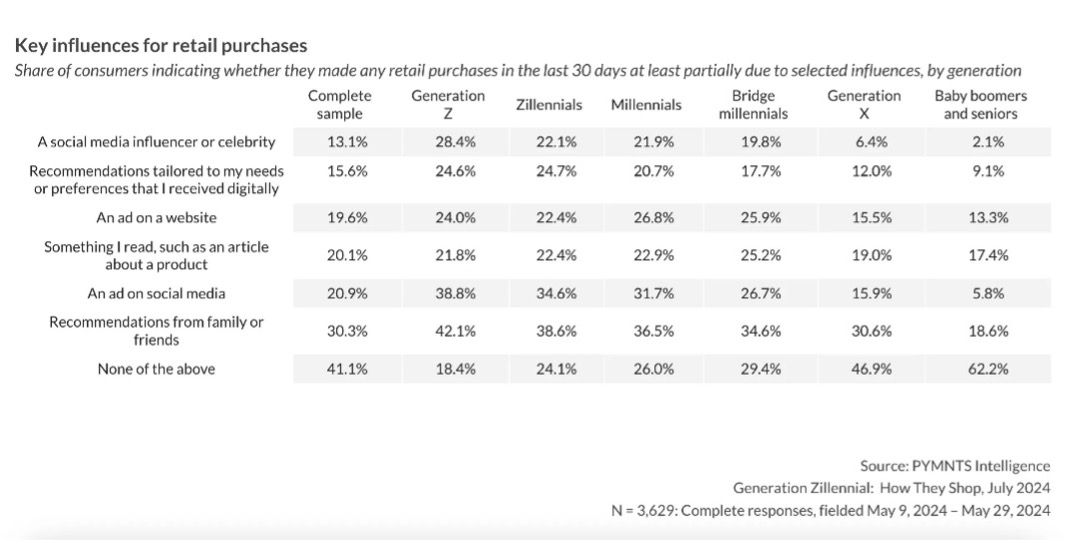
Over the past decade, influencer marketing has surged on social media platforms. Gen Z is particularly susceptible to this influence. In 2024, 45% of Gen Z consumers reported being influenced by TikTok, Instagram, and YouTube, with 44% swayed by influencer recommendations.1 Companies leverage peer-to-peer marketing to target younger customers, creating an environment where not having the product causes FOMO or “Fear of Missing Out”, and brands know this.
In September 2023, TikTok announced its built-in e-commerce section called TikTok Shop. With TikTok Shop, TikTok users do not even have to leave the app to purchase products that their favorite influencers recommend. On Black Friday 2024, TikTok Shop announced that it had $100 million in sales alone, highlighting the popularity of this type of purchasing.2 However, falling into the trap of FOMO about not having a certain product or lifestyle can be costly, and young adults who are beginning to come into wealth need to be aware of how this type of behavior can cause strain to their monthly budgets.
In this blog, we offer tips on how wealth builders can still enjoy luxuries like shopping sprees, travel, and concerts while also being cognizant of overspending from influence.
- Take More Time to Make Purchases
Often, when we purchase products immediately after seeing an advertisement, we are acting on impulse. To prevent overspending, consider implementing a strategy where you wait 24 hours before deciding to buy an item. This additional time allows you to evaluate whether the purchase is a want or a need. If you determine that it’s a want and not a necessity, you can remove it from your online cart or bookmark it for potential future purchase.
This approach can also be applied when shopping at brick-and-mortar stores. One reason people tend to overspend online is due to the convenience and speed of the purchasing process. By visiting a physical store, you slow down the purchase process, which can help reduce the risk of impulse buying. Additionally, you might find that the item you desired online doesn’t meet your expectations in person.
- Set a budget and track your spending
One of the best ways to prevent overspending is by setting a clear budget. Start by understanding your current spending habits. Review your debit and credit card statements to analyze your spending patterns and compare them to your income. Next, categorize your expenses. Common categories include:
- Rent
- Utilities
- Insurance
- Transportation
- Debt (credit cards, student loans, car payments)
- Clothing
- Food
- Entertainment
- Travel
Once your expenses are categorized, you can begin building a budget. There are various budgeting methods to choose from. For beginners, the 50/30/20 rule is a good starting point. This plan allocates 50% of your income to needs, 30% to wants, and 20% to savings. Online budgeting tools can help you calculate the exact dollar amounts for each category, helping make sure you don’t exceed your limits. This approach helps you balance your spending between needs, wants, and savings goals.
- Create a sinking fund
If you consider yourself a fashion connoisseur, a live music lover, or a travel enthusiast, you should consider creating a sinking fund. A sinking fund is an account that you can put your savings in to help reach your specific goal. This type of fund can help separate your emergency savings from your “little luxuries” savings. Unlike an emergency fund, these savings are intended to be spent sporadically for fun things. To keep these savings separate from your rainy day fund, consider opening a high-yield savings account that offers a higher return than a traditional savings account.
- Get Your Dopamine Boost Elsewhere
Online shopping can be addictive due to the surge of dopamine, serotonin, and endorphins we experience when an item is delivered. This chemical boost can improve our mood and confidence. However, there are ways to generate these hormones without spending significant amounts of money. Activities like exercise, meditation, listening to music, and cooking can promote mindfulness and reduce the urge for retail therapy. The next time you feel stressed or down and seek a mood boost through shopping, reflect on your feelings and spending habits to realign yourself and find joy elsewhere.
Conclusion
Social media has the ability to place a world of products in front of our eyes that we may not have purchased otherwise. As a result, it is easy to over-consume in order to “keep up with the Joneses”. You can implement these four steps into your day-to-day lives to help “de-influence” yourself and be more mindful in spending. If you are interested in learning more about how retail therapy and overspending can affect you, listen to episode 10 of the Money Baggage podcast, “Retail Therapy: Positive and Negative Effects on Mental Health.”
[1] Tymkiv, M. (2024, August 13). Strategies for capitalizing on Gen Z’s growing influence. Forbes. https://www.forbes.com/councils/forbesbusinesscouncil/2024/03/06/strategies-for-capitalizing-on-gen-zs-growing-influence/
[2] McLymore, A., & Dang, S. (2024, December 8). US spending on TikTok Shop gains as TikTok faces threat of ban. Reuters. https://www.reuters.com/technology/us-spending-tiktok-shop-gains-tiktok-faces-threat-ban-data-shows-2024-12-07/
This material is for general information and educational purposes only. Information is based on data gathered from what we believe are reliable sources. It is not guaranteed as to accuracy, does not purport to be complete and is not intended to be used as a primary basis for investment decisions.
Find answers to your questions about Hightower Signature Wealth
Hightower Signature Wealth is a fiduciary wealth management practice that provides investment management, financial planning, estate strategies, insurance, and banking solutions. We work with families, business owners, professionals, women, and retirees across more than 40 offices nationwide. Our advisors take the time to understand your financial priorities, develop a plan around your goals, and adjust that plan as your life and circumstances evolve.
Hightower Signature Wealth provides a broad range of wealth management services designed to address different aspects of your financial life. Our capabilities include investment management, financial planning, retirement planning, estate strategies, insurance and risk management, banking solutions, and charitable giving strategies. By considering these areas together, our advisors can develop a coordinated approach based on your goals, priorities, financial circumstances, and plans for the future.
Hightower Signature Wealth advisors work with a broad range of clients, including women, families, business owners, professionals, retirees, and high-net-worth individuals navigating major life or financial transitions. Rather than applying a generic playbook, each advisor tailors the plan to a client’s specific goals and current stage of life – from early-career decisions to multigenerational wealth transfer.
Yes. Hightower Signature Wealth advisors serve as fiduciaries, which means they are committed to acting in their clients’ interests when providing investment advice. We offer fee-based advisory services, with fees depending on the services provided and the specifics of your relationship. Your advisor will discuss the applicable fee structure with you so you can understand how you are charged and what services are included.
Hightower Signature Wealth has more than 40 offices nationwide, allowing our advisors to serve individuals, families, and organizations across the country. Depending on your location and preferences, you may be able to work with an advisor locally or connect with a team in another market. Visit our Locations page to explore our office locations, learn more about the teams in each market, and find an office near you.
Getting started with Hightower Signature Wealth is simple. Complete our online contact form with some basic information about yourself and what you are looking for, and we’ll connect you with an advisor who can discuss your needs and financial priorities. That initial conversation is an opportunity to learn more about our approach, ask questions, and determine whether working with a Hightower Signature Wealth advisor may be a good fit.
Your first conversation is an opportunity for us to learn more about you, your financial circumstances, and what you hope to accomplish. An advisor may ask about your goals, current investments, family considerations, business interests, and other priorities that could influence your financial plan. You’ll also have an opportunity to ask questions, learn about our approach, and discuss what working together could look like.